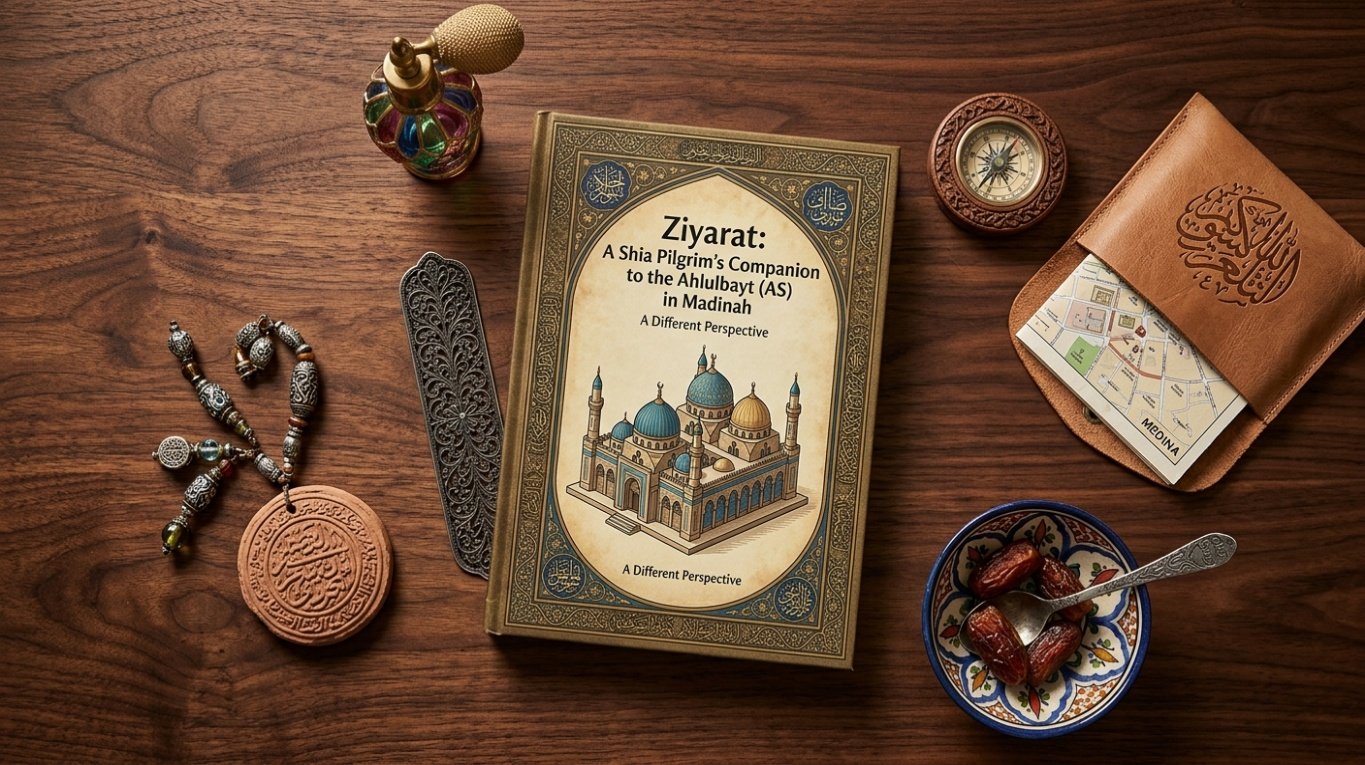
For a Shia Muslim, a journey to Makkah and Madinah is one of the most profound acts of devotion a believer can undertake. There is the Umrah itself, performed at the House of Allah, and beside it the priceless opportunity for Ziyarat, the visitation of the Holy Prophet (peace be upon him and his family) and the Ahlulbayt (AS). Madinah in particular holds a special place in the Shia heart, for it is here, in the cemetery of Jannat al-Baqi, that four of the Imams rest. To travel there is to walk the same streets as the family of the Prophet, and to stand in remembrance before those whose lives shaped our faith.
Once the intention is firmly made, arranging the journey naturally follows. Many British Shia families book a Hajj Umrah Package that takes care of the flights, visa, hotels and transport, so that the mind is freed for worship and ziyarat rather than logistics. Yet the journey is far richer when you understand the places you will visit before you arrive. This guide offers a brief overview of Umrah for the Shia pilgrim and the sacred sites of Madinah, so that every moment of the trip is filled with awareness, love and remembrance.
Umrah for the Shia pilgrim
Umrah al-mufradah, the single Umrah, may be performed at almost any time of the year, outside the specific days of Hajj. Its rites include entering the state of ihram at the appointed miqat, performing tawaf around the Holy Kaaba, praying the salat of tawaf, walking the sa'i between Safa and Marwah, performing taqsir, and completing tawaf al-nisa with its prayer. These rites are carried out in accordance with Fiqh Jaffari, and as with every act of worship, the precise details should be followed according to the rulings of your own marja' al-taqlid. For this reason, learning the rites properly before you travel is essential, so that you arrive prepared and perform each act with confidence and correctness.
Madinah and the love of the Ahlulbayt (AS)
Madinah al-Munawwarah is the city of the Holy Prophet (peace be upon him and his family), the place he made his home and where he is buried. At its heart stands Masjid al-Nabawi, the Prophet's Mosque, and within it the blessed Rawdah. For every Muslim, to pray here and to send salutations upon the Prophet is a source of immense blessing. For the Shia pilgrim, the visit carries an added depth, for Madinah is bound up with the lives of the Ahlulbayt (AS), who lived, taught and were laid to rest in this sacred city. To visit Madinah is to draw near, in love and loyalty, to the family of the Prophet whom we are commanded to honour.
Jannat al-Baqi, the resting place of four Imams
Directly beside Masjid al-Nabawi lies Jannat al-Baqi, the oldest and most revered cemetery of Madinah. It is here that four of the Twelve Imams are buried: Imam Hasan al-Mujtaba (AS), the second Imam; Imam Ali Zayn al-Abidin al-Sajjad (AS), the fourth Imam; Imam Muhammad al-Baqir (AS), the fifth Imam; and Imam Ja'far al-Sadiq (AS), the sixth Imam. Alongside them rest many of the Prophet's family and companions, among them, by many accounts, figures dear to every believing heart. Today the cemetery stands as a simple, unmarked ground, its historic structures no longer present, yet its spiritual weight is beyond measure. To stand at Baqi, to recite the ziyarat and to send salawat upon the Ahlulbayt, is for many pilgrims the most moving moment of the entire journey.
When to travel, and the gentle autumn window
Choosing when to go is largely a matter of ease and comfort. The autumn months are among the most pleasant of the year, once the fierce heat of the Arabian summer has passed and both Makkah and Madinah become comfortable for long hours of worship and ziyarat. This is why many British pilgrims look to October Umrah Packages for a calmer, cooler journey with noticeably thinner crowds than the peak seasons of Ramadan and the school holidays. Whenever you decide to travel, book well in advance to secure a hotel close to the Haram and to Masjid al-Nabawi, so that reaching Baqi and the mosque for your daily prayers and visits is simple and unhurried.
Preparing your heart and your knowledge
The value of this journey grows immeasurably with understanding. Before you travel, learn the ziyarat you intend to recite, reflect on the lives of the Imams whose presence you will stand before, and prepare the beautiful supplications of the Ahlulbayt, such as the well-known munajat and duas of the Imams. Families often prepare their children too, teaching them who is buried at Baqi and why we hold them in such honour and love. This is where structured Islamic learning before the trip makes all the difference, turning what could be mere sightseeing into an act of true devotion. A pilgrim who understands the history and recites the ziyarat with meaning experiences Madinah in a way that stays in the heart for a lifetime.
Practical guidance for the journey
A few practical matters deserve attention. Ensure your passport is valid for at least six months, arrange the meningitis vaccination required for the visa, and obtain your Umrah permit through the official Nusuk app. Pack light, modest clothing and comfortable footwear, for there is a great deal of walking. Observe the etiquette and dignity of the sacred places at all times, keeping your conduct gentle and your heart present. For every question of ruling, from the rites of Umrah to the manners of ziyarat, return to the guidance of your marja'. Above all, try to give yourself enough days in Madinah to visit Baqi and the Prophet's Mosque more than once, unhurried and at peace.
A journey of love and remembrance
For a Shia Muslim, this blessed journey unites two great loves: the love of Allah, expressed in the rites of Umrah at His House, and the love of the Prophet and his family, expressed in ziyarat at their resting places. The two are woven together across a single trip, so that worship and remembrance flow into one another. Prepare well, learn deeply, choose a gentle season, and travel with a heart full of longing and humility. May Allah grant every believer who sets out the honour of standing at the Kaaba and at Baqi, and may He accept their Umrah and their ziyarat.
Common questions about Umrah and Ziyarat for Shia pilgrims
Can Shia Muslims perform Umrah?
Yes. Shia Muslims perform Umrah al-mufradah, which can be undertaken at almost any time of year. The rites are carried out according to Fiqh Jaffari and the rulings of one's marja' al-taqlid.
Who is buried at Jannat al-Baqi?
Four of the Twelve Imams are buried at Jannat al-Baqi: Imam Hasan al-Mujtaba (AS), Imam Zayn al-Abidin (AS), Imam Muhammad al-Baqir (AS) and Imam Ja'far al-Sadiq (AS), along with many of the Prophet's family and companions.
Where is Jannat al-Baqi?
Jannat al-Baqi is located directly beside Masjid al-Nabawi in Madinah, which makes it easy to visit during the daily prayers and throughout your stay in the city.
When is the best time to perform Umrah?
Umrah can be performed for most of the year, outside the days of Hajj. The autumn months, including October, are especially pleasant, with milder weather and thinner crowds that make worship and ziyarat more comfortable.